


Access Is Not One Size Fits All
Updated: Oct 8
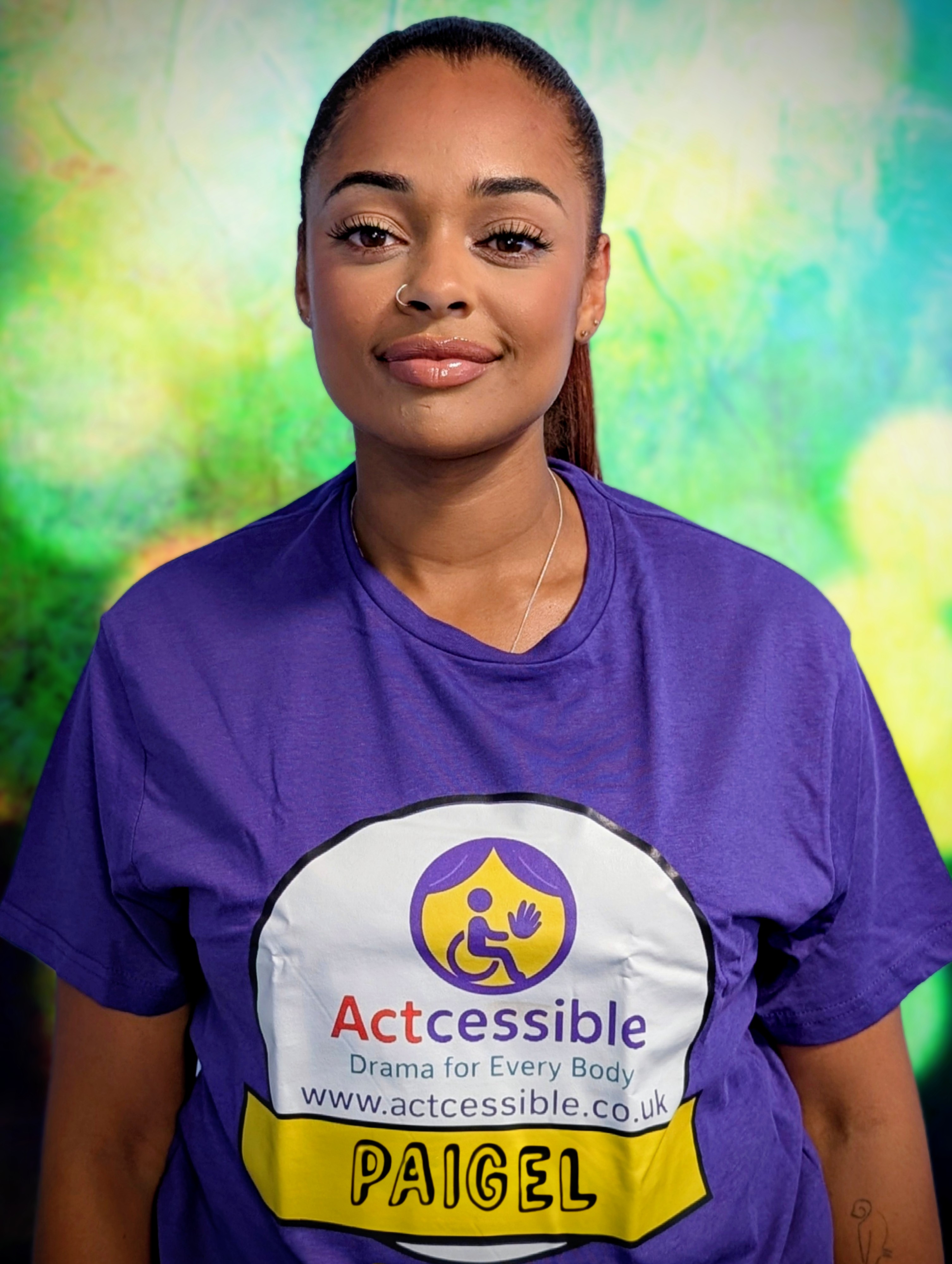
Written by Paigel

Access in the arts is often invisible until a barrier appears in front of someone who simply wants to take part.
A step into a venue, a booking form, a lighting change or a rehearsal schedule can quietly say this space was not designed with you in mind.
I know this feeling personally. My son, who is autistic, is often misunderstood. I see how people make assumptions about him and his needs.
Barriers Aren’t Always Obvious
When we talk about access, it is easy to think it is all about physical space.
Ramps, doors, or elevators. But access goes far beyond that. Barriers can be sensory, cognitive, emotional, or systemic. Bright lights, loud or sudden noises, long days without breaks, unclear instructions, or websites that do not have accessibility built into them can all prevent someone from taking part before they even step into the room.
The trouble is, many of these barriers are invisible, which makes them easy to overlook for those who do not experience them. Someone who has never faced a particular challenge may simply not notice it or may not understand how even small obstacles can make participation difficult.
Lack of knowledge about different needs can lead to well meaning but incomplete solutions, where access is only considered in the ways that are obvious to those in positions of power or decision making. Unconscious bias can also play a role. Assumptions about what people can or want to do based on their appearance, diagnosis, or background can unintentionally shape policies, spaces, and interactions.
This is why listening to lived experience is crucial. The people who encounter barriers first hand are the ones who can explain what works, what does not, and why, helping to reveal obstacles that might otherwise remain invisible.
The Problem With Assuming
One of the biggest issues is not a lack of care, but assumption.
Unconscious bias often sits underneath these assumptions. It shapes who we imagine an arts space is for, what support we think looks like, and whose needs we notice without realising we are doing it.
Ideas like “If someone needed support, they would tell us” or “We have never had a problem before” can unintentionally leave people out. Many do not feel safe enough to disclose their needs, or they are simply tired of constantly explaining and justifying themselves. When access is not clearly invited or acknowledged, many people choose not to participate at all. It can feel easier to stay away than to risk being misunderstood or excluded.
Why Asking Matters
For many disabled and neurodivergent people, engaging with the arts involves a quiet calculation. Will I be understood? Will I be supported? Is it worth the energy it will take?
Sometimes, a single sentence such as “We are happy to discuss access needs” can make all the difference between feeling excluded and feeling welcome.
Asking about access is not about having all the answers. It is about being open, flexible, and recognising that everyone’s needs are different. Needs can also change from one day to the next.
The most important thing is listening, and being willing to adapt.


Comments